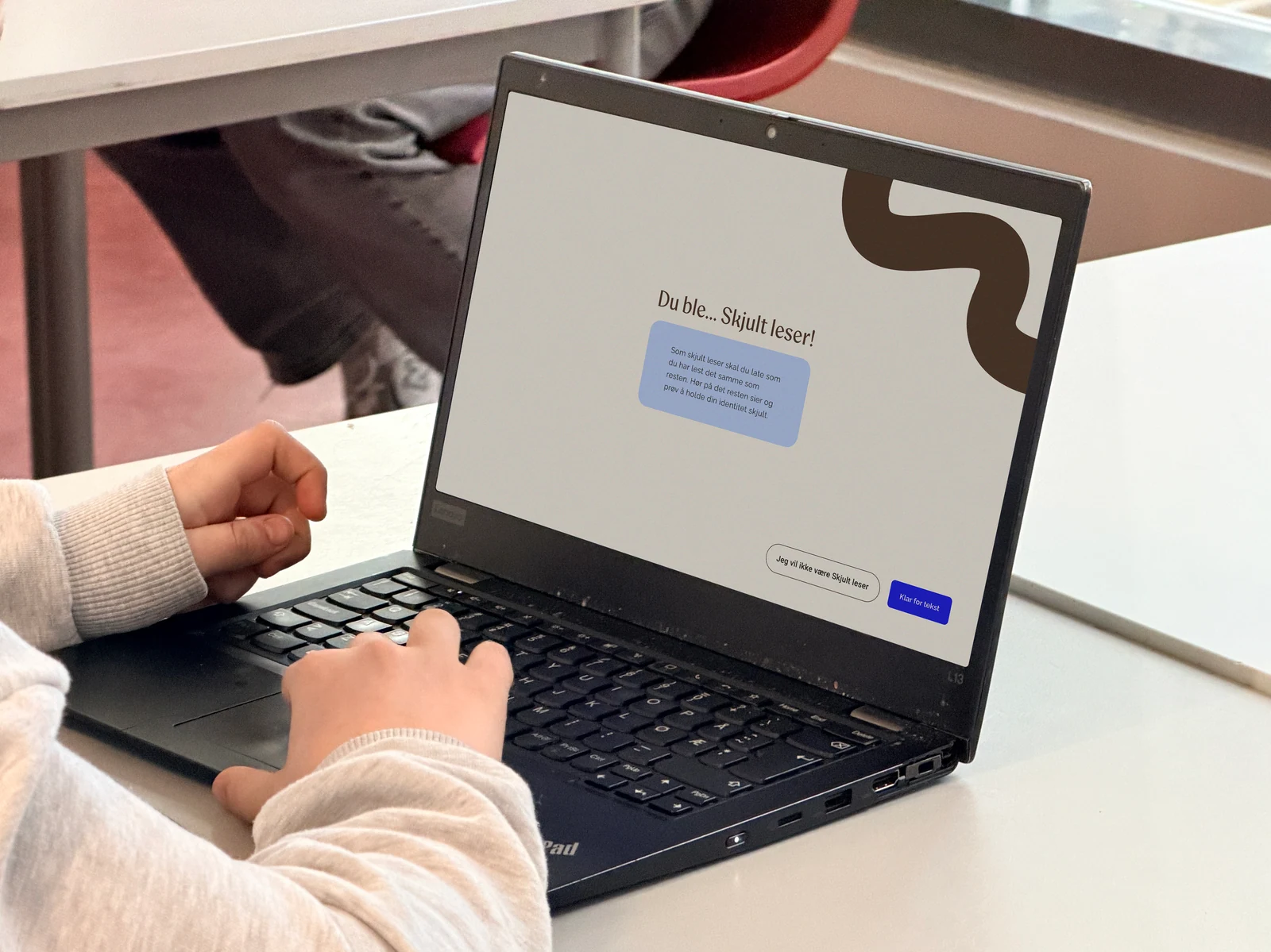
Hidden Reader
Students respond to challenges based on what they have read and try to identify who has not read the same text.
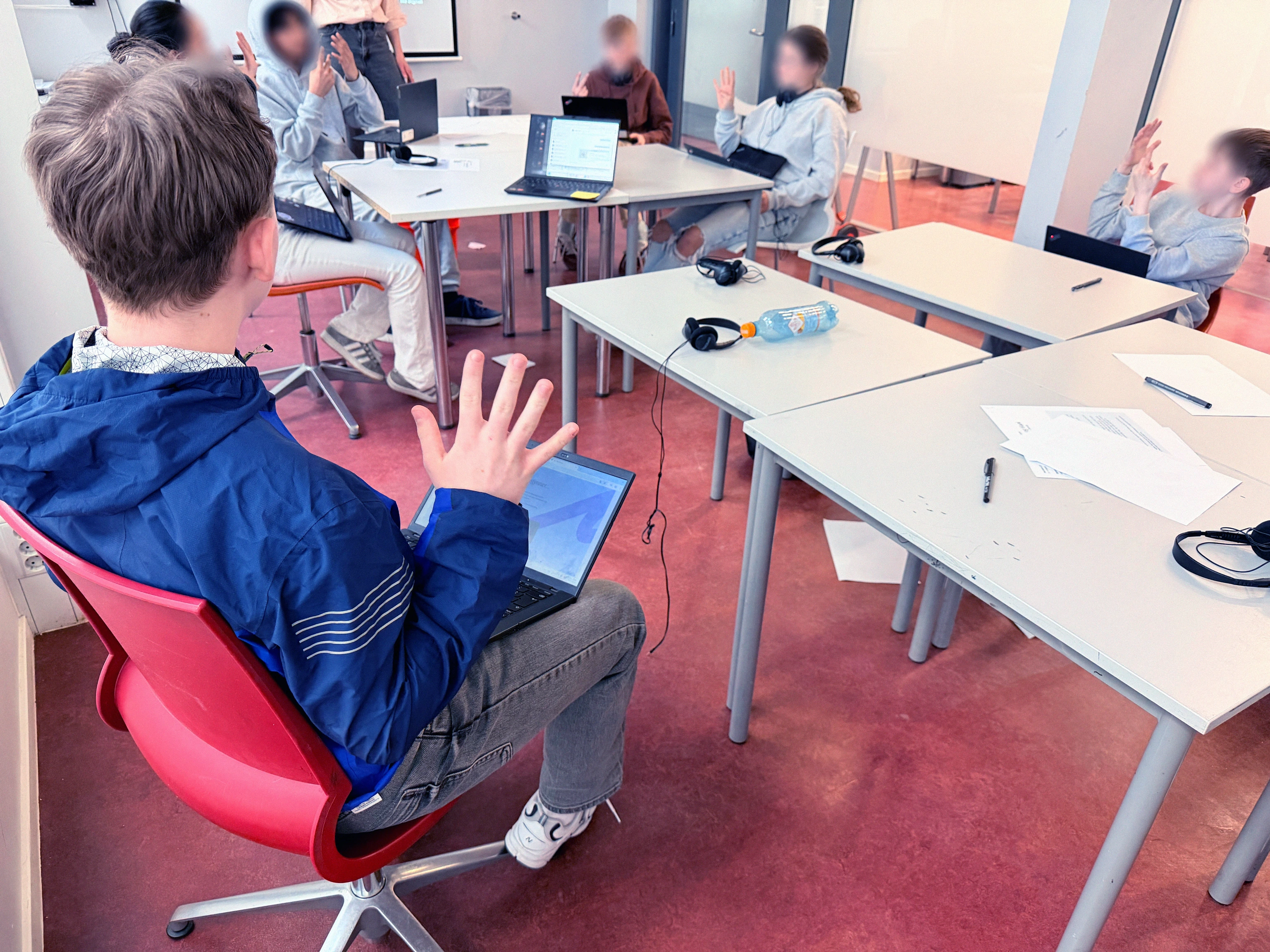
Lesespark! is a master’s project developed with Gyldendal for lower secondary school students. Against the backdrop of a reading crisis, it explores how community and social interaction can create new ways into literature.
Observations showed that time set aside for reading did not necessarily mean that students were actually reading. The research also pointed to community and social influence as important drivers of young people’s engagement.
Could community become a way into literature?
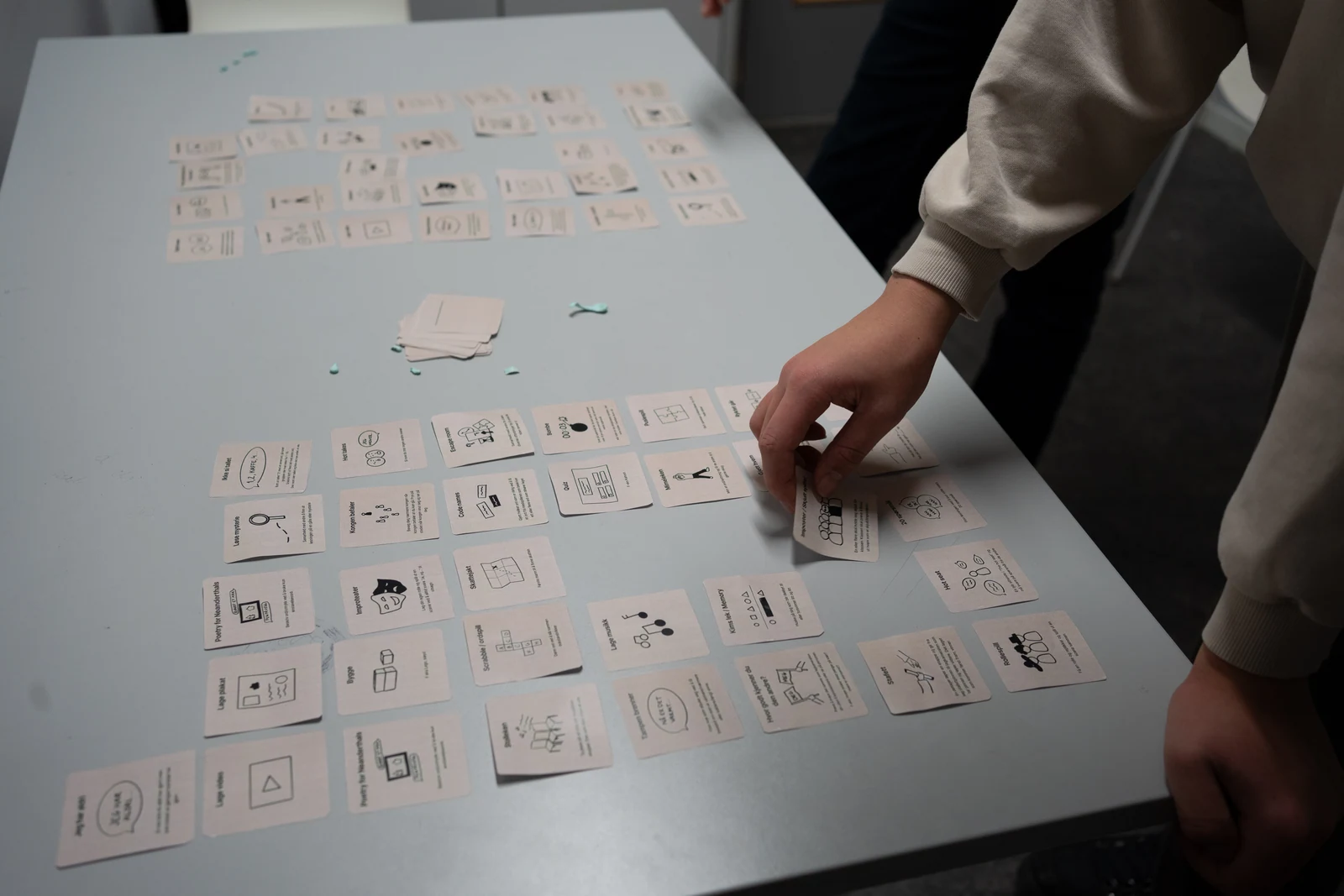
Made it easier for students to talk about what they like and dislike doing — and why.
Provided insight into what actually happened when time was set aside for reading.
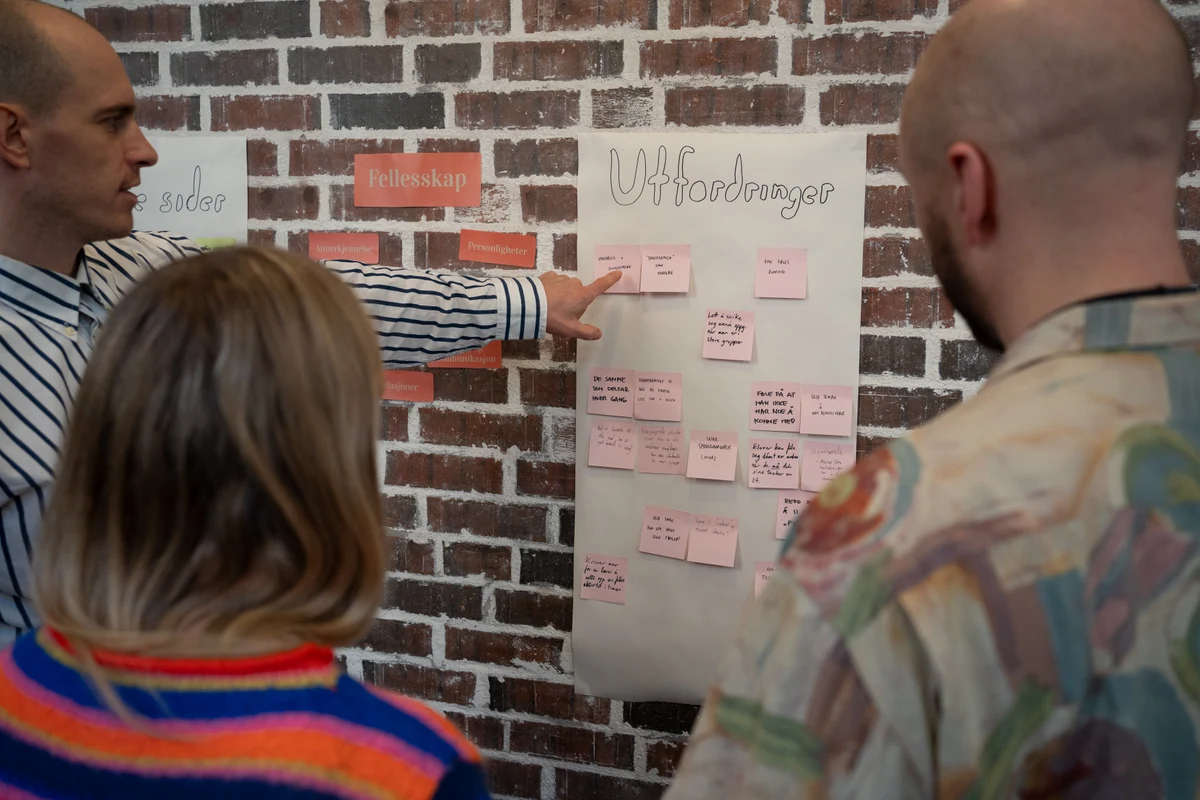
Practitioners and experts contributed perspectives on reading, young people and social influence.
Lesespark! consists of three digital reading activities built around short fiction and different forms of interaction.
Students respond to challenges based on what they have read and try to identify who has not read the same text.
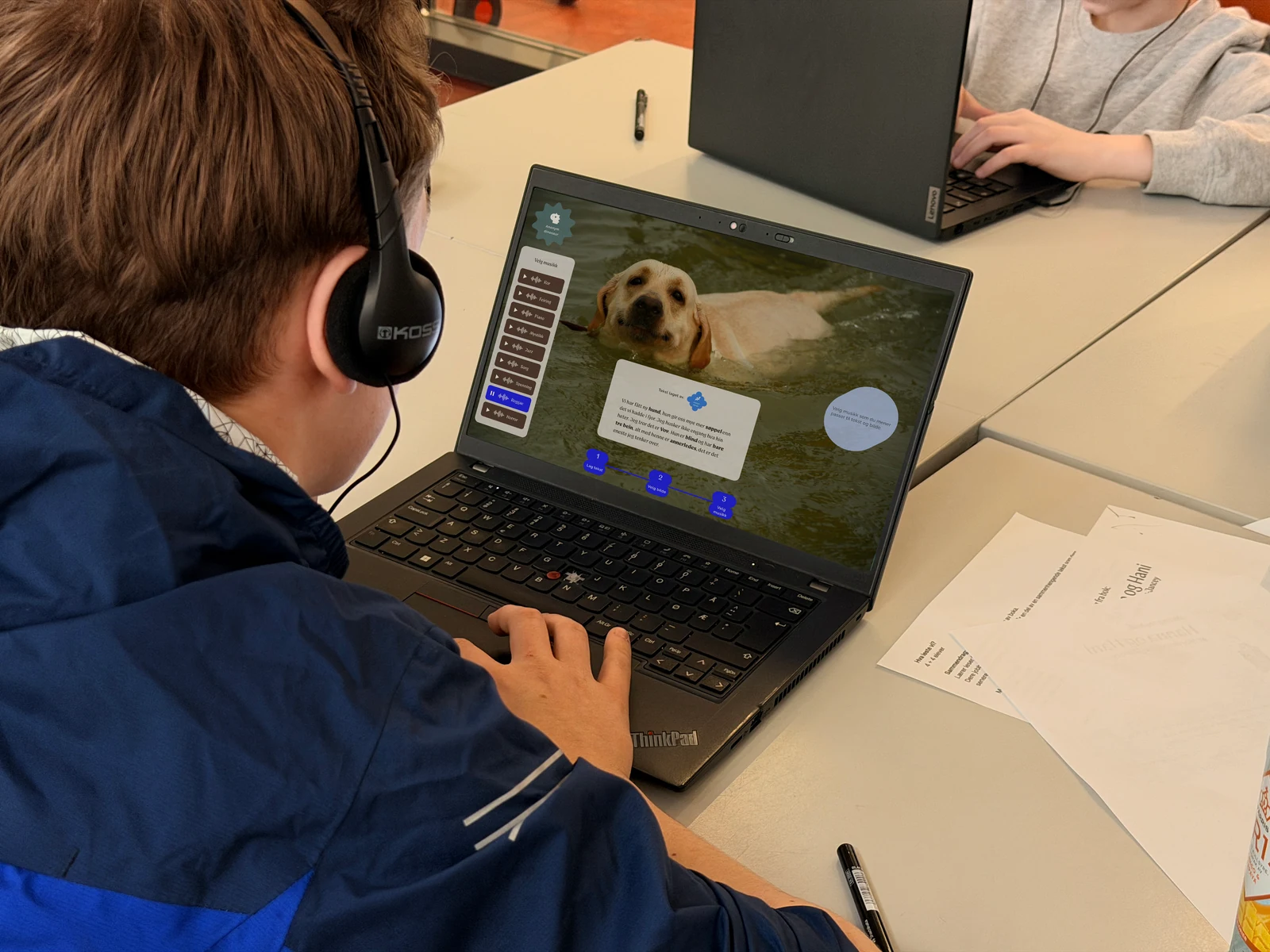
Students collaborate to shape a text in their own way — one chooses words while another adds image and sound — before viewing and comparing each other’s versions in the classroom.
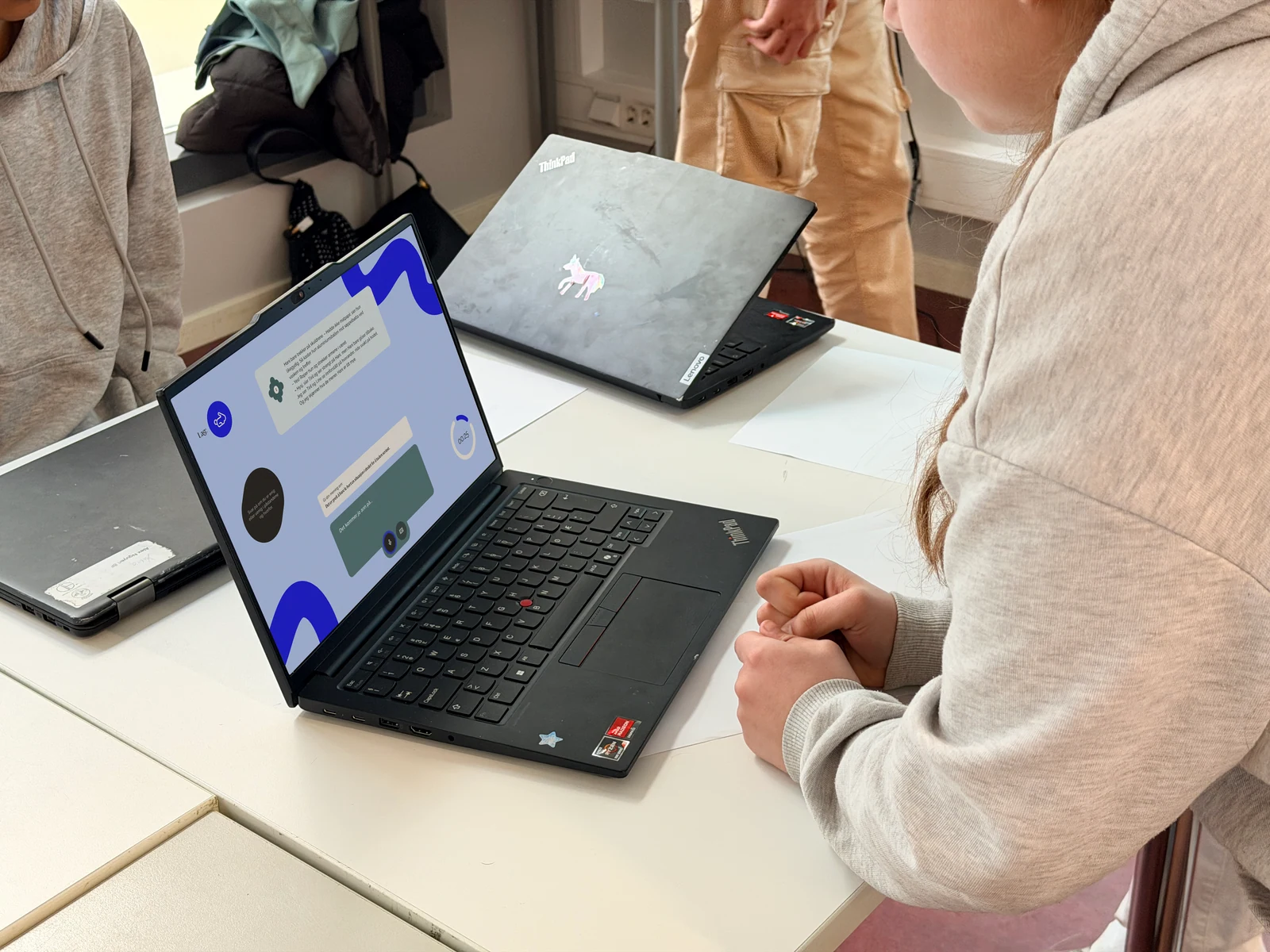
Students anonymously share their views on themes from the text and from teenage life more broadly, then compare them with the rest of the class as a starting point for discussion and reflection.
The activities were developed as working prototypes through AI-assisted vibe coding. This made it possible to connect eight students and test and iterate on the actual social experience in the classroom — not just the interface.
All three activities were further developed through testing. In one activity, testing revealed performance pressure, so the goal shifted from remembering to expressing an opinion.
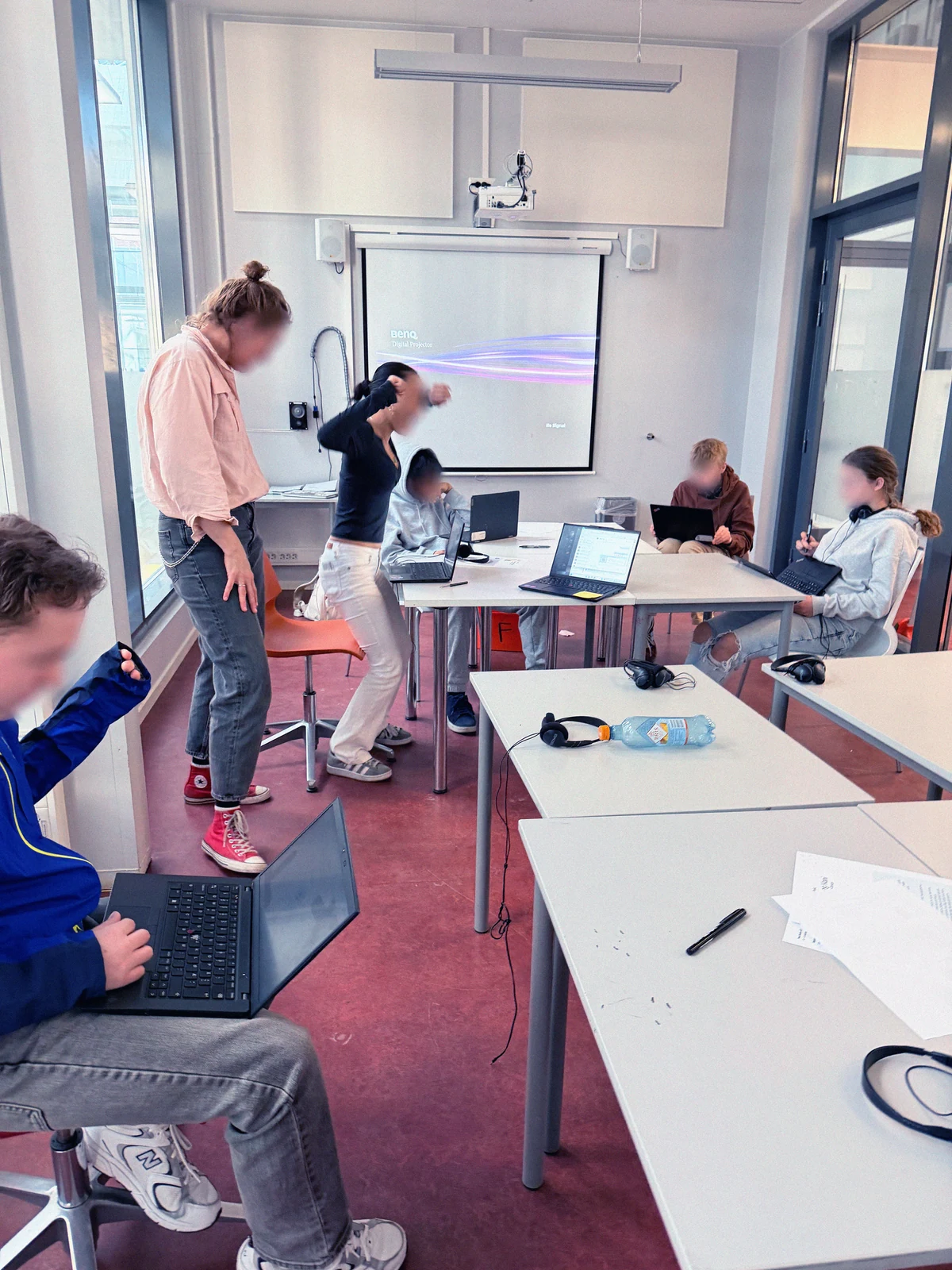
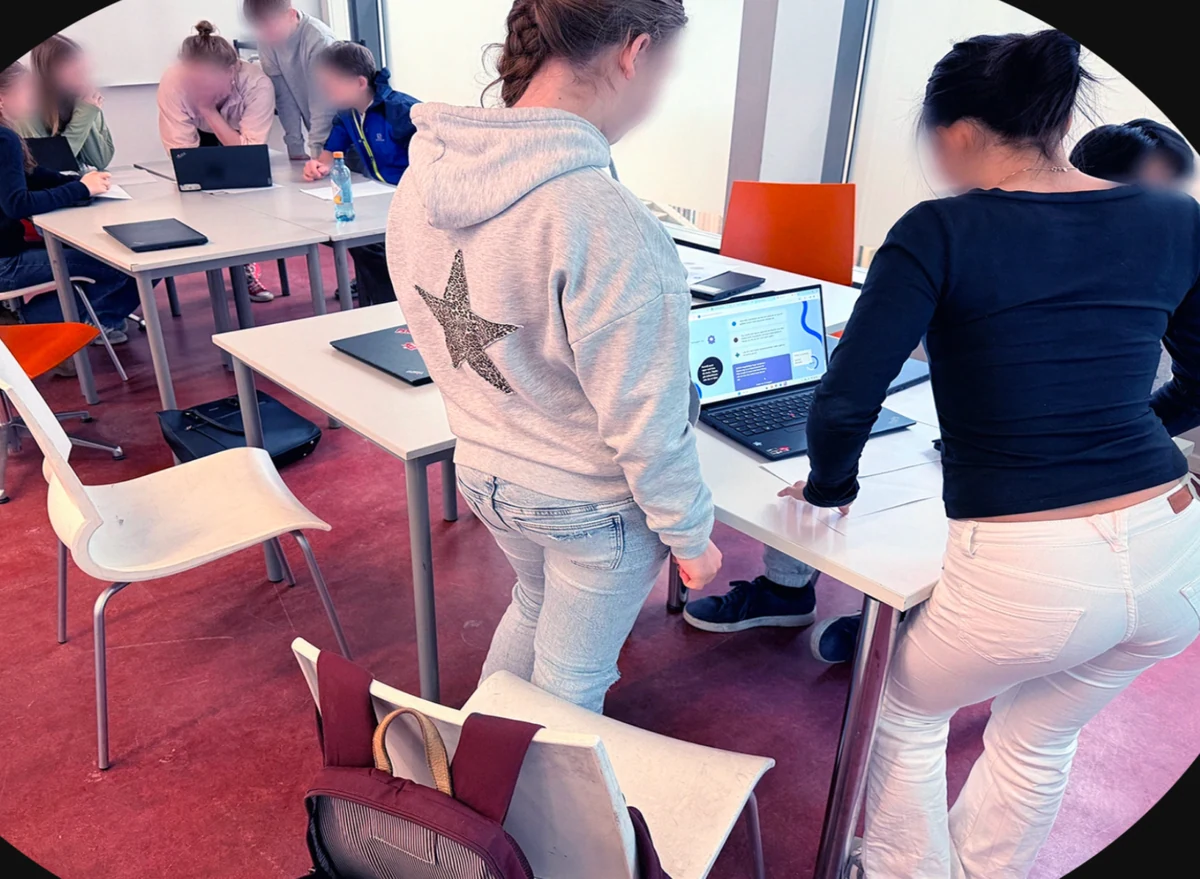
“One of them often plays games in class. I have almost NEVER seen him participate and write this much before.
Norwegian teacher
“You are focusing on what really matters: the teacher, the student and their experiences.
Product Manager, Gyldendal Skolestudio